

Gingivectomy
Gingivectomy is a procedure in which a dentist removes excess or diseased gum tissue to create a proper gum contour and reduce areas where bacteria can accumulate. It is commonly performed in cases of thick or swollen gums, excessive gum coverage over the teeth, or certain stages of periodontal disease. It can also be done for aesthetic purposes to improve the appearance of the smile. Gingivectomy is a procedure that improves both oral health and aesthetics. When properly planned and performed by a dentist, it can lead to healthier gums and reduce the risk of future dental problems effectively.
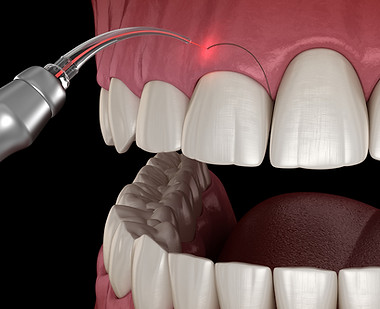
The principle of gingivectomy is to remove unhealthy or excessive gum tissue. The dentist will first evaluate the gum level, pocket depth, and bone condition before treatment. Local anesthesia is then administered, and instruments such as a scalpel, laser, or electrosurgery device are used to reshape the gum tissue to an appropriate level.
After the procedure, more of the tooth surface is exposed, making it easier to clean, reducing plaque accumulation, and allowing the gums to return to a healthier state.

Benefits of Gingivectomy
-
Reduces bacterial accumulation and tartar buildup
-
Helps treat and control gum disease or periodontal disease
-
Improves the ability to maintain oral hygiene
-
Enhances gum contour and smile aesthetics
-
Reduces gum swelling, bleeding, and bad breath
-
Supports the effectiveness of other dental treatments such as crowns or orthodontics
Post-Care After Gingivectomy
Proper care after the procedure is essential for optimal healing and to reduce the risk of complications.
-
Avoid hard, hot, or spicy foods for the first 2–3 days
-
Avoid brushing directly on the surgical area initially; use mouth rinse as instructed
-
Take all prescribed medications as directed
-
Avoid smoking and alcohol consumption
-
Return to the dentist if there is excessive bleeding, unusual swelling, or severe pain
-
Attend follow-up appointments as scheduled