

Dental Veneers
Many dental problems originate from damage to the enamel (the outer surface of the tooth). These issues may result from external factors, such as accidents causing chipped or fractured teeth, or discoloration from tetracycline use and non-vital teeth following root canal treatment. Internal factors may also play a role, often due to genetics or congenital conditions, such as tooth shape, spacing, or misalignment.
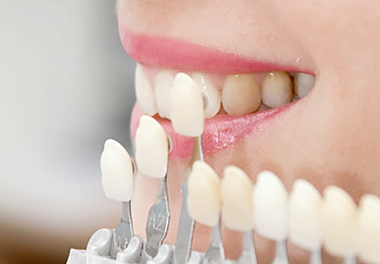
Veneers are a modern dental solution for restoring the tooth surface. They involve designing a thin, tooth-colored shell that closely resembles natural enamel and bonding it onto the front surface of the teeth. Veneers help improve the overall appearance of teeth, including color, shape, size, and alignment with adjacent teeth. Importantly, they contribute to enhancing personality and boosting confidence in daily life.
A variety of materials are available for veneers, differing in cost and quality. However, with proper care and maintenance, veneers can last approximately 10–15 years.

Pre-Treatment Before Veneers
Since veneers are bonded onto the surface of the teeth, it is essential to ensure that overall oral health—and especially the teeth receiving veneers—is in good condition, with no issues such as tooth decay.
The dentist will typically recommend the following treatments before proceeding with veneers:
-
Professional dental cleaning (scaling)
-
Treatment of cavities with fillings
-
Management of gum inflammation
Veneer Procedure
-
The dentist performs a professional cleaning and prepares the teeth for veneer placement.
-
Veneers are designed and sent to a dental laboratory to fabricate pieces that match the patient’s teeth.
-
The tooth surface is prepared by removing a thin layer of enamel to improve bonding.
-
The veneers are bonded onto the teeth, completing the procedure.
It is important to note that veneer placement involves removing a thin layer of natural enamel to ensure proper bonding. Therefore, it is not recommended for patients to frequently replace or change veneers, as this can further thin the enamel and increase the risk of tooth decay.

Post-Veneer Care
-
Brush your teeth thoroughly, paying special attention to the gum line around the veneered teeth.
-
Use dental floss regularly to clean between teeth.
-
Avoid hard and sticky foods, and avoid biting directly with the veneered teeth.
-
Avoid using your teeth for improper purposes, especially veneered teeth, such as biting pencil erasers or opening bottles.
-
Schedule dental check-ups every 6 months.
-
For patients who grind their teeth during sleep, the dentist may recommend wearing a night guard to protect the veneers from damage.